
Article published on 21 July 2026
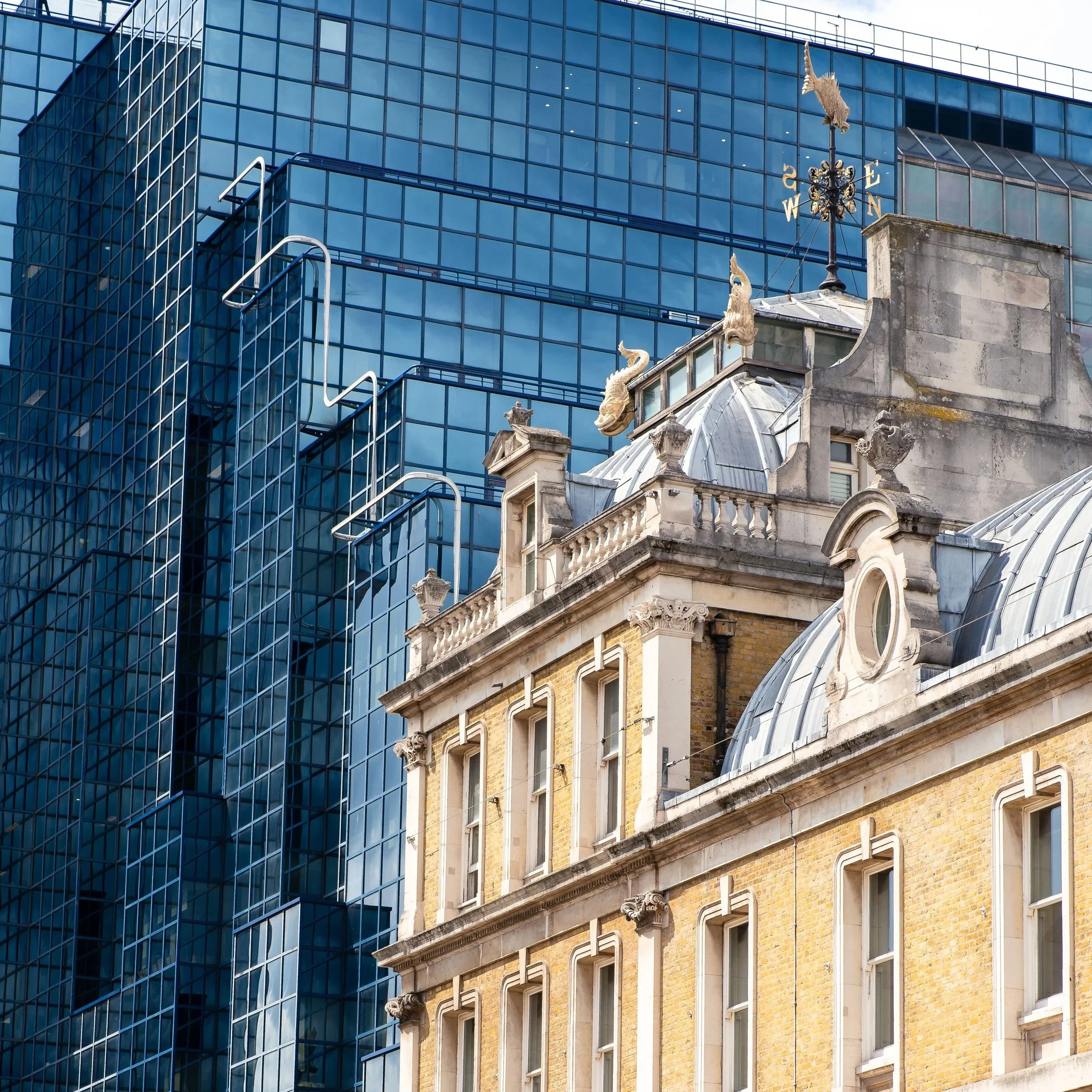
"First we shape the cities – then they shape us."
Jan Gehl
Cities are never static. They evolve constantly in response to economic, environmental and social change.
According to urbanist Prof. Greg Clark, by the end of the century almost 10 billion people could be living across 10,000 cities.
As a result, many of the world’s biggest challenges – from climate change and housing shortages to inequality and economic productivity – are increasingly urban problems.
To solve these problems, we need a focus on cities – where those issues are concentrated.
Every city is shaped by a constant negotiation between preservation and progress, between the identity we inherit and what we choose to build next.
For developers, planners and policymakers, navigating the line between conservation and progress is nothing new.
What has changed is the pace and pressure of decision-making. Housing demand, net zero commitments and viability challenges are all converging – affecting how we approach retrofit or new-build construction on often constrained, complex urban sites.
Framing the challenge as “old versus new” is no longer useful. A great city doesn’t have to choose between heritage and development: it integrates both.
Embracing heritage
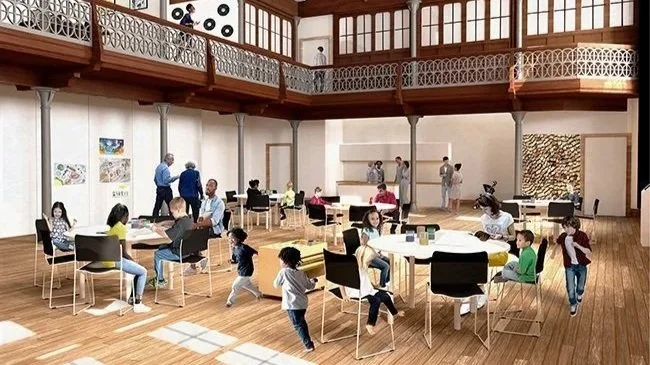
Working with heritage assets requires careful judgement.
Existing buildings are often what give places their identity. They create continuity in environments that might feel transient or interchangeable.
That sense of character is not just a cultural benefit: it underpins the local economy of a community, shaping how people invest in, use and value a place.
The question is how to unlock the value of heritage in a great city.
A key principle lies in striking a careful balance between preserving the intrinsic value of heritage assets and allowing them to remain active, lived-in spaces. These places should continue to breathe through the people who own and use them, serving the needs of the surrounding community. Rather than being frozen in time as static museum pieces, heritage assets should evolve in ways that respect their history while ensuring their relevance and vitality today.
There is also a clear sustainability argument. As discussed in our previous blog, reuse and retrofit avoid the embodied carbon cost of demolition and rebuild, making it a critical part of any credible net zero strategy.
Growth demands change
That said, cities never rely solely on existing assets.
The UK needs more housing, workplaces and community amenities. Infrastructure must be upgraded. Buildings must perform to modern environmental standards.
Net zero is now the immediate design and delivery constraint that all this ambition must satisfy.
New-build development plays an essential role in meeting these demands. It allows for:
Higher density in sustainable urban locations
Integration of low-carbon systems from the ground up
Spaces designed around how people live and work in today’s modern world
But new development that ignores historical context rarely succeeds in the long term. It risks eroding the qualities that make places distinctive and desirable in the first place.
Integration is where value is created
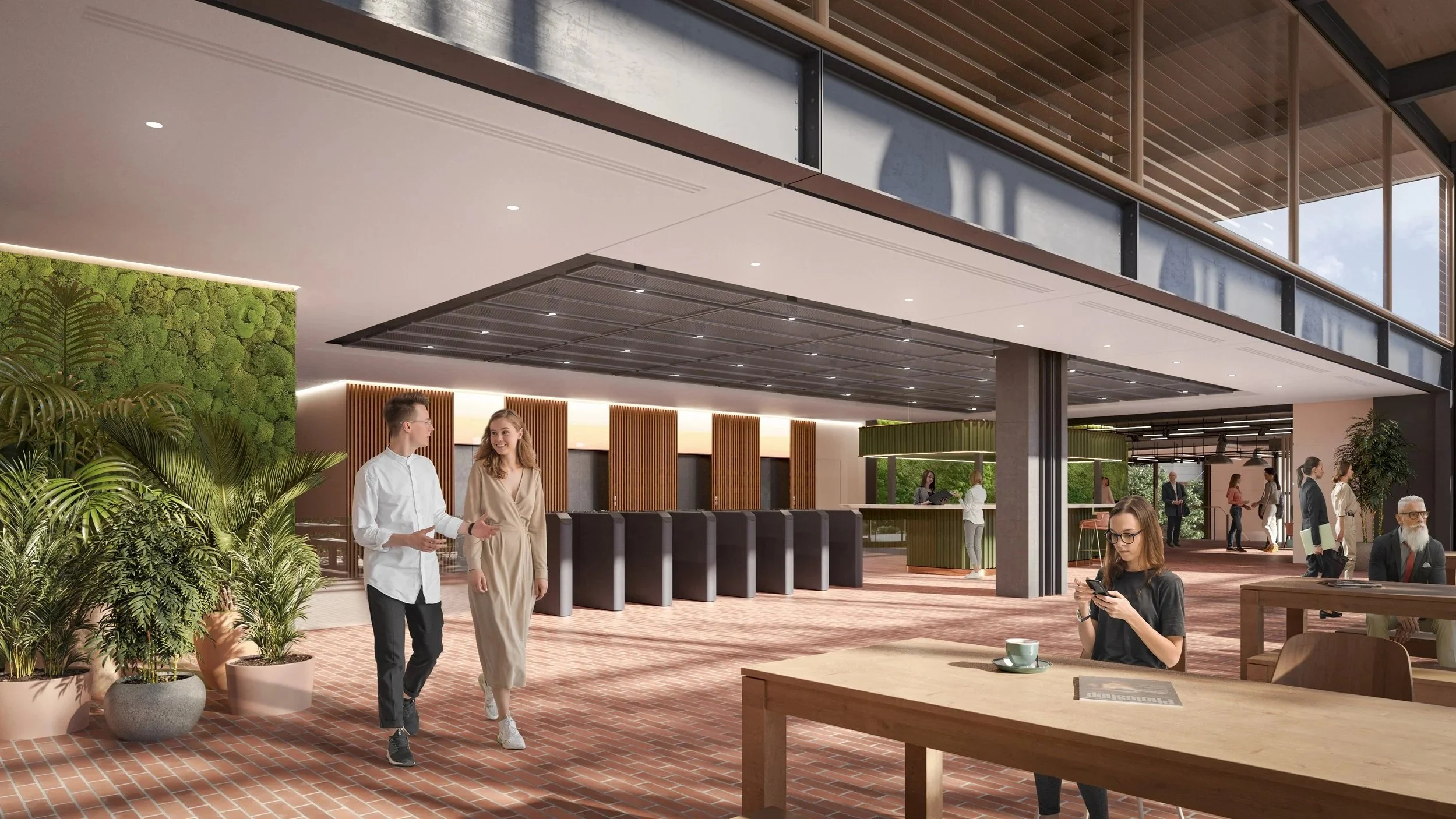
The greatest long-term value lies in integration. This is where engineering plays a vital role.
Balancing old and new is a technical and commercial challenge that requires a clear understanding of how existing structures can be adapted, how new systems can be introduced, and how constraints can be turned into opportunities.
Adaptive reuse, when approached properly, goes beyond retention. It is about making existing buildings work harder – structurally, environmentally and commercially – while creating space for carefully considered new interventions.
Balancing old and new in heritage buildings, especially with vertical extensions, means respecting the historic fabric while introducing contemporary elements in a way that feels intentional and harmonious.
7–8 Martins Place, our scheme in Charing Cross, involved the transformation of a 1950s office building into a 136-room hotel. The scheme carefully introduced an additional storey, creating a rooftop bar that offers views across Trafalgar Square. The new vertical extension has been designed with sensitivity, complementing rather than overpowering the existing structure.
Done well, integration is where the greatest added-value can be realised.
Better outcomes, not just better buildings
Getting the balance right delivers benefits beyond the buildings themselves.
It supports continuity and community identity, reduces environmental impact and creates places where people actively choose to live and work.
But those outcomes are never guaranteed. They depend on informed decisions about what to retain, what to adapt and what to replace.
Making complexity deliverable
Urban sites are rarely straightforward. Constraints around access, infrastructure, planning and existing structures can quickly undermine well-intentioned plans.
Introducing modern systems into historic buildings can add further layers of complexity.
Not least due to unknown conditions, structural limitations, and the importance of preserving the architectural fabric and historic character.
At Clancy, our role is to turn that complexity into something deliverable.
We work with clients to assess the real potential of urban sites: balancing heritage, sustainability and viability to develop practical and ambitious engineering solutions.
When transforming the urban landscape, not every building can or should be retained. Not every new-build solution is the right answer.
The key is understanding the implications of each approach, and making decisions that stand up over the long term.
The challenge is not to preserve cities in stasis. It is to evolve them intelligently – with a clear understanding of what should be carried forward, and what must change.
That requires long-term thinking, early collaboration and a willingness to see heritage and development as priorities that reinforce each other.
Let’s talk
If you’re navigating the balance between heritage, sustainability and development viability, our team can help assess the opportunities and constraints of complex urban sites from the outset.