
Why retrofit of existing buildings is key to a more sustainable future
Article posted on: 12 February 2026
As the built environment accelerates towards net zero, retrofit, repurposing and adaptive reuse are no longer niche options – they are essential.
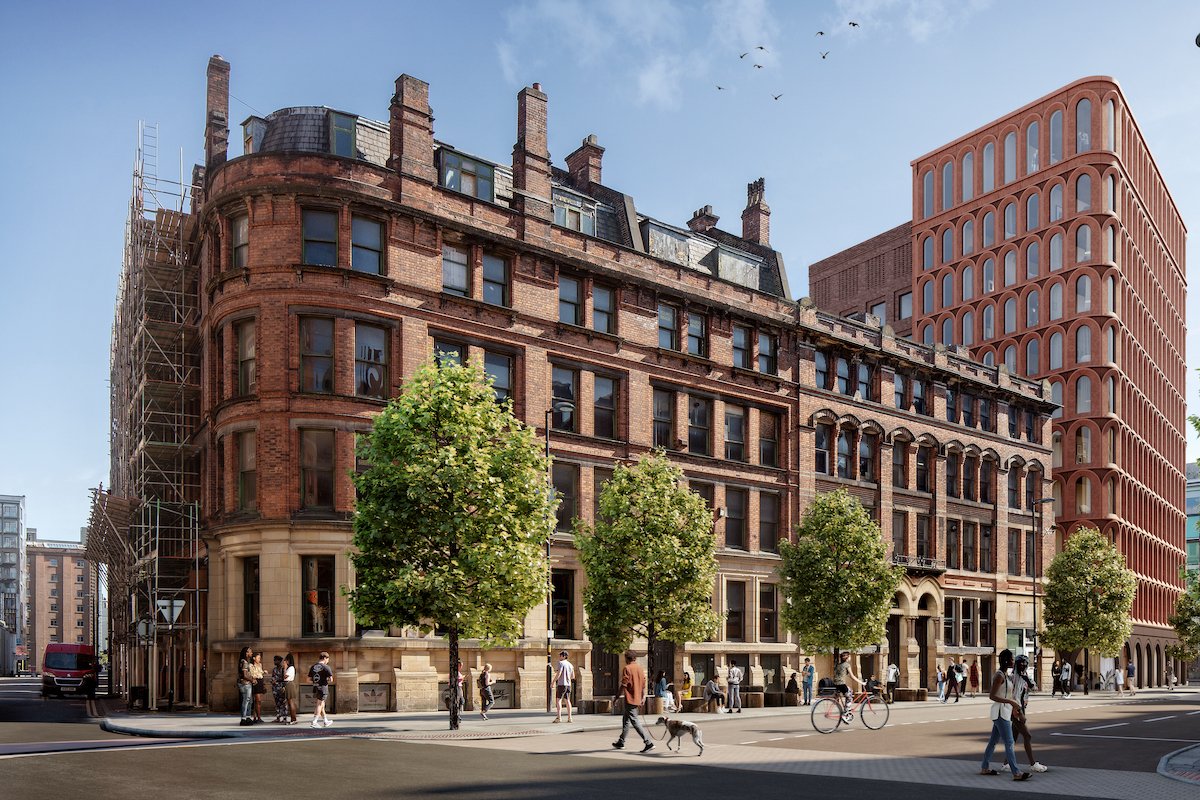
Newton Street
Recent UK planning policy is increasingly supportive of this approach. Proposed reforms to the National Planning Policy Framework (NPPF) and related guidance are currently in consultation until March 2026.
The changes intend to place stronger emphasis on the reuse of existing buildings, the reduction of embodied carbon, and a balanced, informed approach to ensuring existing buildings are ready to meet future challenges – recognising that sensitive adaptation is often essential to securing long-term use and public benefit.
However, the challenge lies not in whether these buildings can be reused, but how.
Enabling reuse, not constraining it
Retrofit sits at the intersection of preserving the building’s identity, sustainability and technical delivery. It requires a detailed understanding of historic fabric, structural behaviour and modern performance standards – combined with a pragmatic, collaborative mindset.
At Clancy Consulting, our specialist engineering team works across civil and structural disciplines to support clients in restoring, refurbishing and reimagining existing buildings in the UK.
To ensure the due diligence, best value and long-term viability of any retrofit project, especially those involving historic or complex structures, early engagement with an experienced structural engineer is crucial.
A specialist structural engineer can perform vital early-stage assessments, uncovering hidden risks, evaluating the condition of existing fabric, and determining the structural capacity for proposed changes. Providing this pre‑acquisition intelligence to developers is a critical input. It supports the development of robust cost models, strengthens risk‑mitigation, and ultimately underpins project viability and deliverability.
This data is essential for developing a safe, compliant, and cost-effective design, preventing costly abortive work, de-risking the planning and consent process, and guaranteeing that the project meets both modern performance standards and conservation requirements.
Underpinning this is one of our guiding principles as a civil and structural engineering company: minimum intervention and maximum retention will ensure that the embodied carbon of existing fabric is preserved wherever possible.
Our retrofit expertise
We have a wealth of retrofit expertise and experience across our UK-wide operation – providing design and build consultancy for a range of clients.
Here are some notable recent examples we’re very proud of:
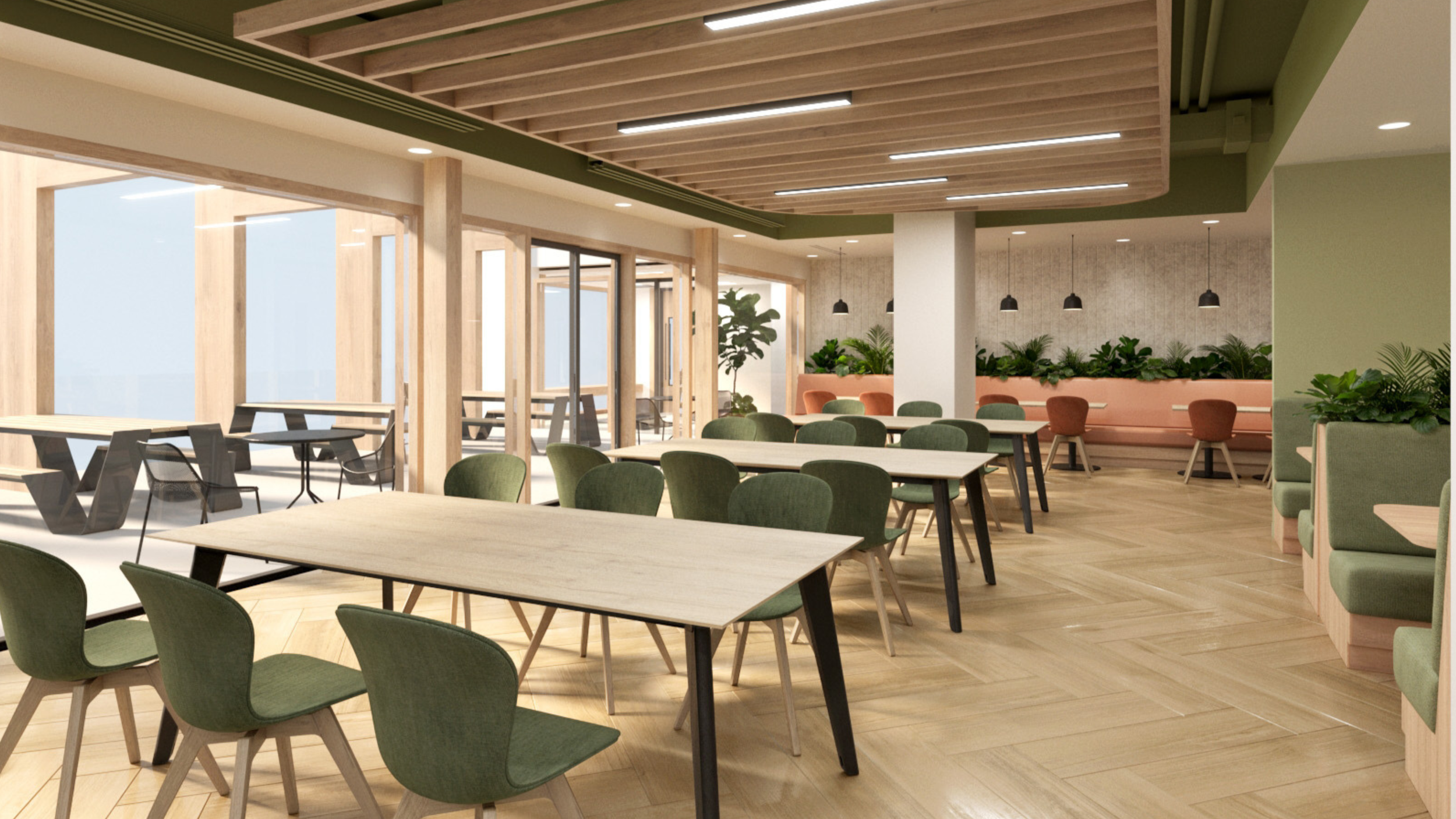
We provided structural and civil engineering design for the ambitious retrofit and vertical extension of The Dacre in Victoria, London.
The 1970s concrete office block was transformed into an eight-storey mixed-use workplace with retail and restaurant spaces.
The project retained and enhanced the existing structure while adding new levels and modern workspace, promoting sustainability with features, such as bicycle storage and wellness facilities.
Our careful reuse was shortlisted for the Architects’ Journal Retrofit & Reuse Award: Saved From Demolition category, demonstrating how the building’s considered retrofit reduced embodied carbon.

The Dacre’s interior office space
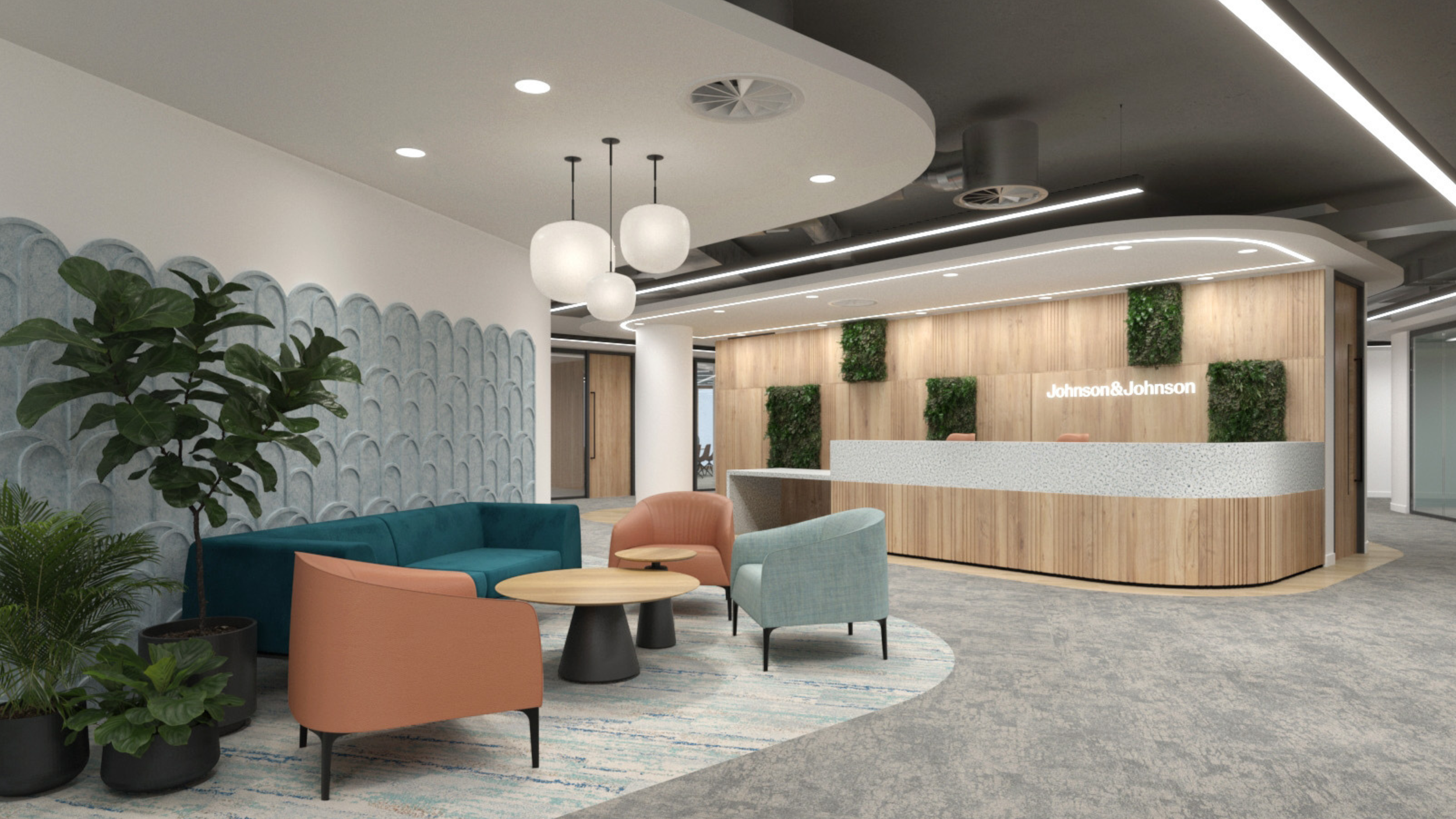
At 6 Atlantic Quay in Glasgow’s International Financial Services District, we supported the refurbishment and modernisation of a six-storey office building, revitalising 78,400 sq ft of space for contemporary Grade A workspace.
The retrofit delivered a more attractive front entrance and reception, reconfigured flexible meeting spaces and improved floor layouts to meet the evolving needs of modern tenants.
By upgrading the existing structure rather than replacing it, the scheme enhances the building’s lifecycle performance and contributes to sustainable urban regeneration in a key commercial district.
We undertook comprehensive engineering design to refurbish a late-19th century Grade II-Listed warehouse located in Manchester’s Northern Quarter into 28,666 sq ft of contemporary office accommodation, which is currently being delivered.
The retrofit balanced heritage sensitivity with modern workplace requirements – introducing new lifts and access, repairing original structural elements, enhancing internal connectivity, and upgrading façades and openings for accessibility.
This project showcases how historic buildings can be thoughtfully adapted to meet the demands of today’s agile office occupiers while maintaining their architectural character.
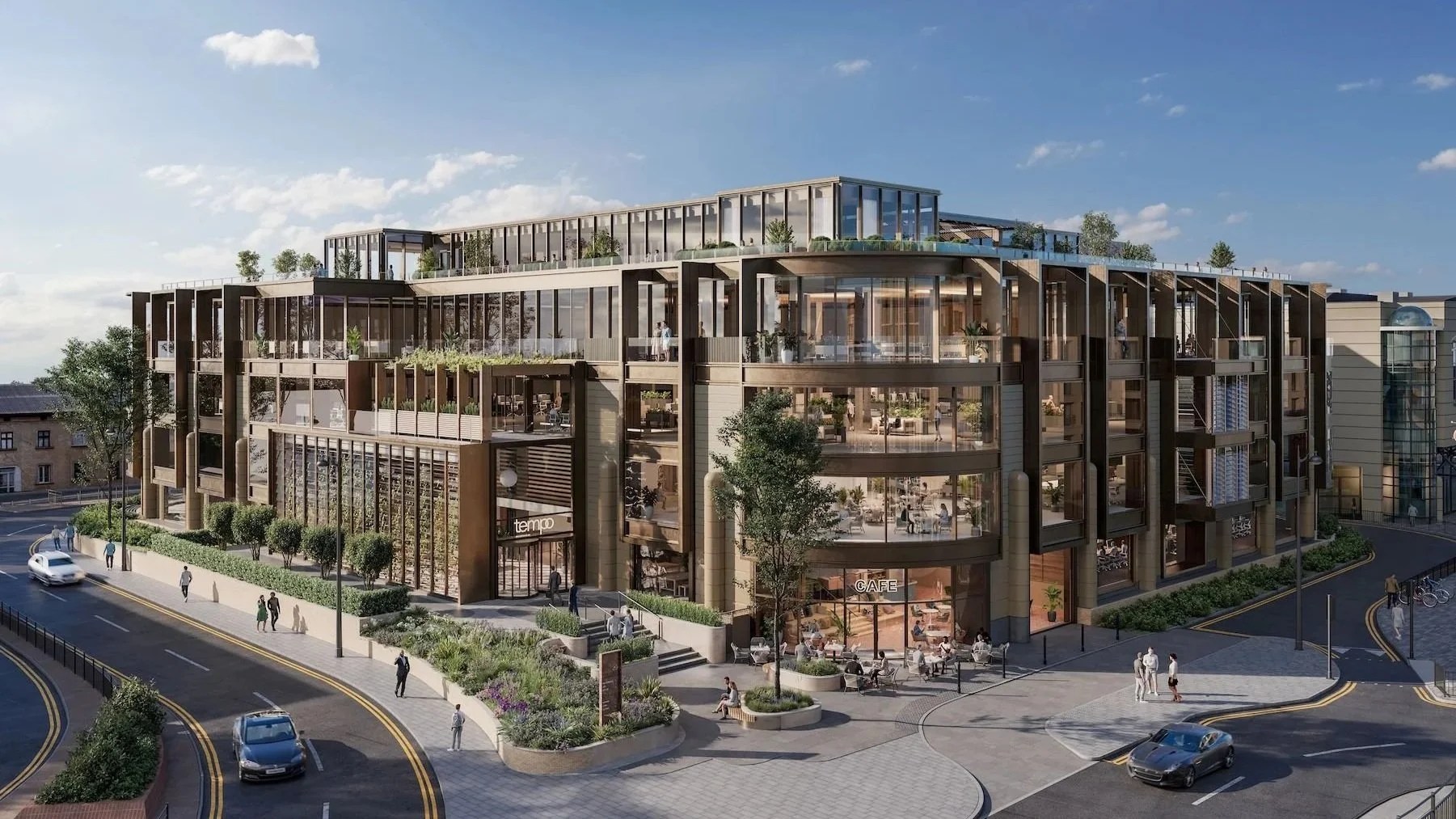
At Tempo in Maidenhead, we offered civil and structural engineering expertise to transform an existing commercial building into a sustainable, low-carbon office destination.
The four-storey retrofit includes a new entrance lobby with a two-storey extension, rooftop pavilions and terraces, and public realm enhancements.
Energy efficiency improvements included integrated low and zero-carbon technologies, such as solar photovoltaics and air-source heat pumps to reduce emissions by approximately 39%.
With expanded cycle parking, EV charging provision and landscaped outdoor spaces, Tempo demonstrates how a comprehensive retrofit can elevate both environmental performance and user experience.
Looking ahead: a sustainable foundation for our future
If the UK is serious about sustainable development, the reuse of buildings must become a greater priority. They should be seen as assets, not liabilities. With the right expertise, they can support net zero ambitions while continuing to serve communities for generations to come.
Thoughtful retrofit and sensitive adaptation, embracing specialist expertise for energy-efficiency measures, such as internal insulation and high-performance glazing, offer vast embodied carbon savings over new construction.
This can drastically reduce operational energy demand, support net zero goals, bolster local economies, and maintain community character, proving that our built past is the most sustainable foundation for our future.