
Overcoming the challenges of retrofit – realising a practical path to 2050 net zero carbon
Article published on 22 May 2026
Retrofit is essential to net zero. Explore the challenges, strategies and opportunities shaping the future of existing buildings across the UK.

Cottonopolis, Manchester
According to the UK Green Building Council, the built environment has a critical role to play in achieving the UK’s net zero ambitions.
While sustainable new developments will continue to contribute to a lower-carbon future, the reality is that most of the buildings that will exist in 2050 are already standing today.
In our previous blog in this series, we explained as the built environment accelerates towards net zero, retrofit, repurposing and adaptive reuse are no longer niche options – they are essential.
Across commercial, residential and public sector assets, building owners are under growing pressure to improve energy performance, reduce operational carbon and future-proof existing stock.
At the same time, changing regulations, rising energy costs and evolving occupier expectations are accelerating the need for retrofit strategies.
For example, ‘retrofit first’ planning policy was adopted in early 2026 by some London councils, including Westminster and the City of London, mandating developers to prioritise the reuse and upgrade of existing buildings to cut embodied carbon and support net zero goals.
Crucially, this is not the same as more controversial ‘retrofit only’ policies, which can risk stalling development by rendering some schemes unviable. Instead, ‘retrofit first’ establishes a hierarchy of options, with demolition still possible where it can be properly justified.
As such, structural engineering is more critical earlier on than ever in the capital – for testing viability, uncovering hidden capacity in existing assets, and providing the robust carbon and feasibility analyses required to make informed planning decisions.
The retrofit approach in London is just one example in one part of the country – and it’s no surprise that retrofit remains one of the industry’s most complex challenges to navigate on a national level.
Understanding the scale of the challenge
Much of the UK’s building stock was designed long before modern environmental standards existed.
Poor thermal performance, ageing infrastructure and inefficient systems are common issues across existing assets, particularly in dense urban centres where refurbishment and reuse are becoming increasingly important.
Financial pressure adds another layer of complexity: owners and occupiers must balance sustainability targets with operational realities, programme constraints and their return on investment.
For many organisations, retrofit is becoming essential to maintaining long-term viability of their assets.
Minimum EPC standards, embodied carbon considerations and wider ESG targets are driving the shift in how buildings are valued and managed.
In brief: key barriers to successful retrofit
Technical complexity
Existing buildings have unique structural constraints, legacy systems and operational requirements which add a layer of technical complexity.
Integrating modern building services and low-carbon technologies into older buildings requires careful coordination across the project team.
Early-stage investigations and engineering appraisals are critical to understanding what is technically achievable before works begin.
Cost and viability
Retrofit strategies need to align with clients’ wider business objectives. Aiming for operational savings and carbon reduction must be commercially viable.
Retrofit does not always require complete transformation overnight. A phased and prioritised approach is often the most effective route forward.
High-impact, short-term interventions can create a practical route toward long-term decarbonisation.
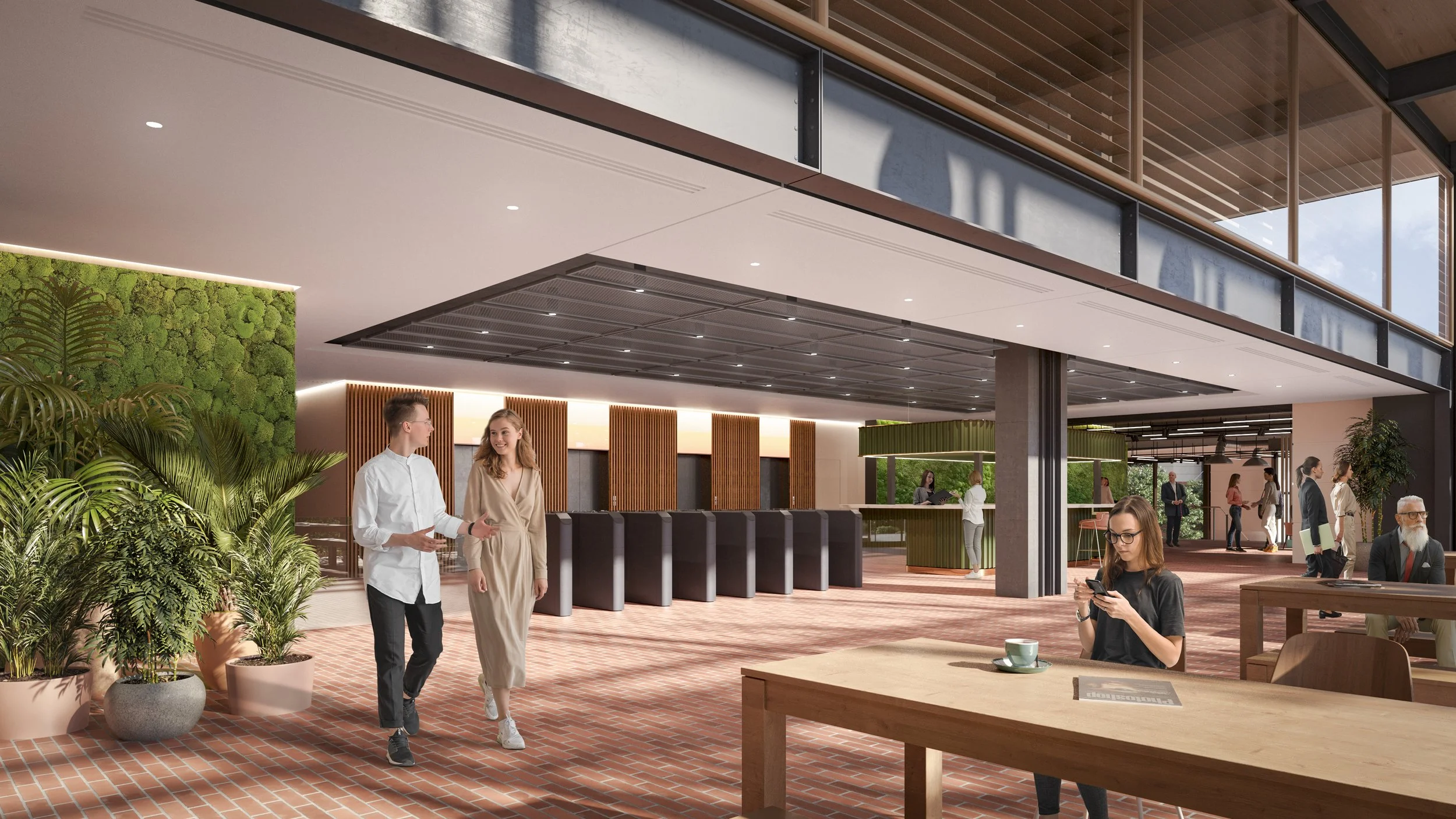
Tempo, Maidenhead
Operational disruption
Many retrofit schemes take place within live environments – from occupied offices and residential buildings to fully operational public sector estates.
Minimising disruption requires detailed planning, phased delivery and close collaboration between project teams and building operators.
Ultimately, retrofit strategies must work around the day-to-day realities of how buildings are currently being used.
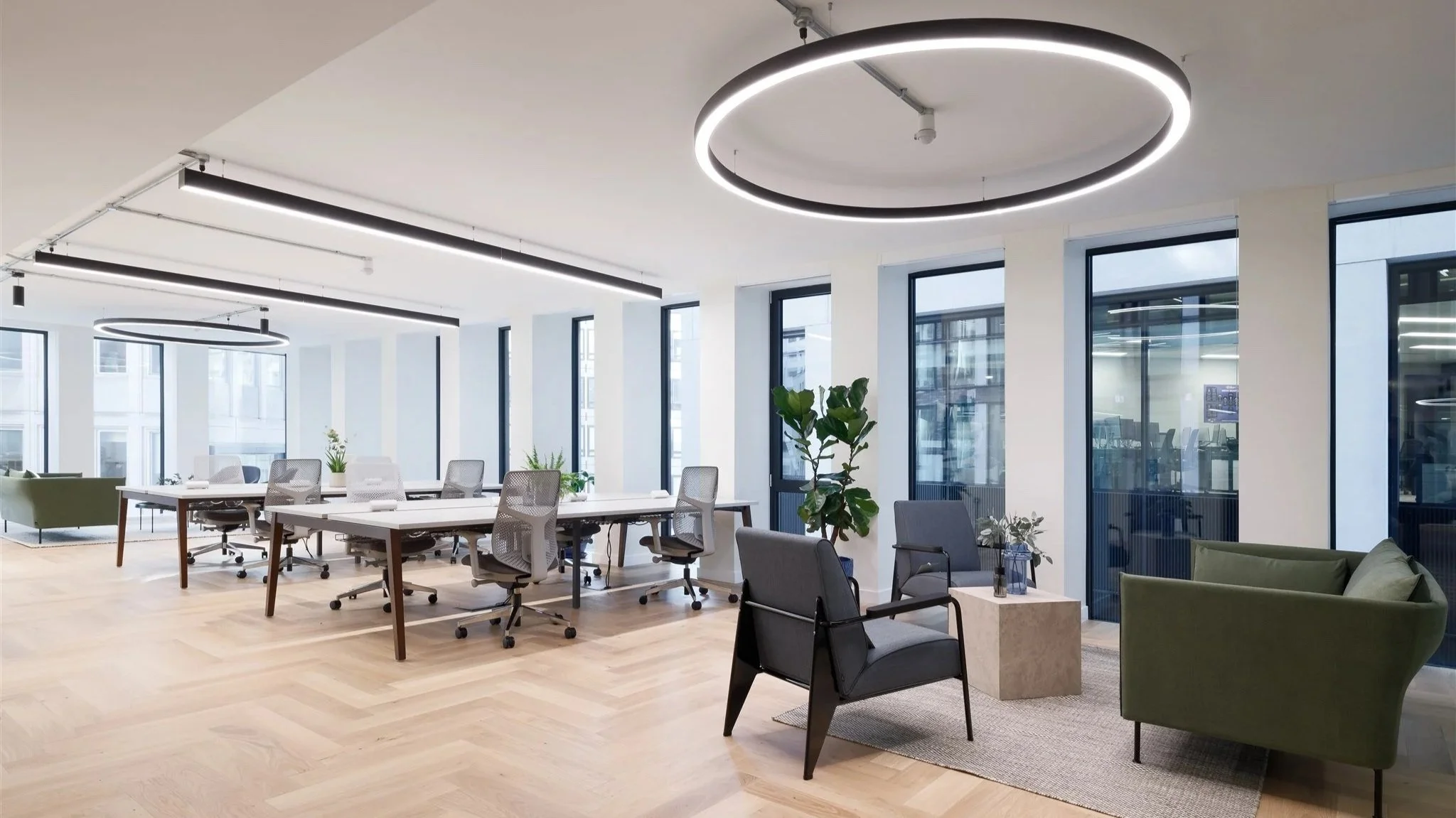
The Dacre, London
Skills and knowledge gaps
Retrofit needs a fundamentally different approach to new-build development, which highlights the importance of employing integrated engineering expertise from the earliest project stages.
To deliver meaningful improvements, it is essential to understand how existing buildings perform.
Bringing together structural, building services and sustainability specialists from the outset helps identify risks, site constraints and opportunities before they become costly problems later in the programme.

Wakefield County Hall, Wakefield
A practical approach to retrofit delivery
Effective retrofit strategies start with early engineering engagement that is informed by practical, evidence-led decision-making and a clear understanding of building performance.
Undertaking a fabric-first approach to detailed appraisals, surveys and whole-building analysis can help identify interventions that align operational, environmental and commercial objectives.
For example, improving insulation, glazing and airtightness can significantly reduce energy demand while improving occupant comfort and long-term efficiency.
Smart building technologies and electrification are also becoming increasingly important.
Intelligent controls, heat pumps and upgraded building management systems can all contribute to reducing operational carbon – but only when carefully integrated into a wider building strategy.
In many cases, phased retrofit programmes offer the most practical solution. Delivering improvements over time allows organisations to manage investment, reduce operational disruption and align upgrades with wider asset management plans.
Collaboration is critical
As retrofit schemes become increasingly complex, successful projects will increasingly rely on collaboration between engineers, architects, contractors, asset managers and occupiers.
Working together from the outset can align sustainability ambitions with operational realities to ensure a retrofit project is realistic, commercially viable and deliverable within live environments.
Unlocking the retrofit opportunity
Retrofit is not a barrier to net zero, it is the pathway and represents one of the built environment’s biggest opportunities.
Done effectively, it can transform underperforming assets into high-performing, future-ready buildings that support sustainability goals, improve wellbeing and enhance long-term value.
Clancy Consulting helps clients across a variety of sectors develop practical retrofit strategies to improve building performance and meet long-term net zero goals.