
The value of our built heritage: why National Lottery Heritage Fund projects matter
Article published on 17 September 2026
Claudio Corallo is Clancy Consulting’s Divisional Director in London: a Chartered Civil and Structural Engineer (CEng MICE MIStructE) and Conservation Accredited Engineer under the CARE scheme, he leads our specialist heritage engineering offering across the UK.
Read on to learn how National Lottery Heritage Fund projects help preserve the UK’s built heritage, and how early specialist civil and structural engineering input can support minimal intervention and maximum retention.
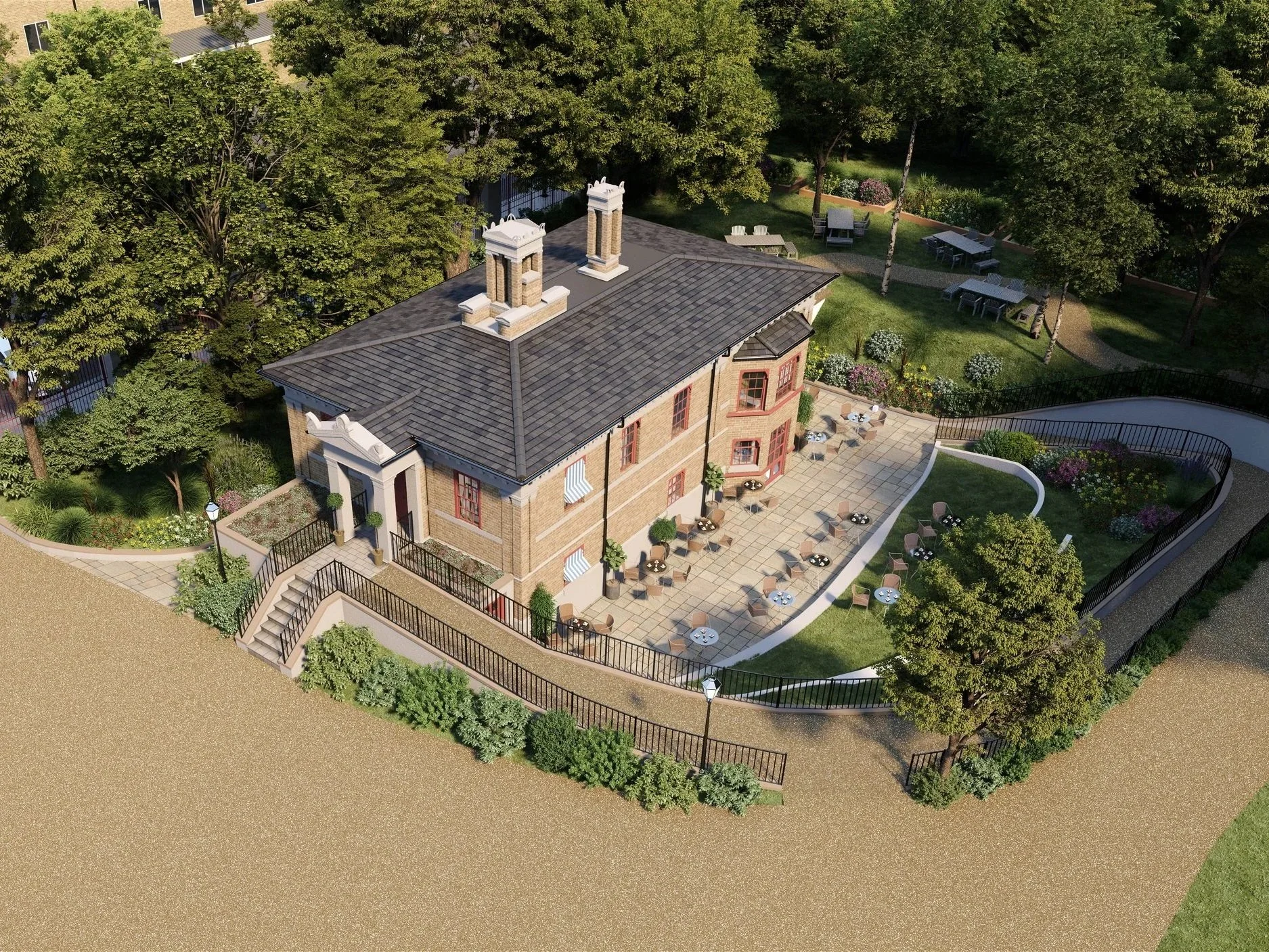
East Lodge, Nunhead Cemetery, London
Image credit: Roger Mears Architects
Our historic buildings are more than structures of stone, brick, and timber. They are the embodiment of our shared history, shaping the character of our towns and cities while creating a sense of place and identity for local communities.
As the UK continues its journey towards net zero, the importance of retrofitting existing buildings has never been more apparent. While the environmental benefits of retaining and upgrading existing structures are well documented, the significance is even greater when working with historic and listed buildings. These assets require a highly specialised approach that balances modern performance requirements with the need to preserve their architectural and cultural significance.
Historic buildings are often the landmarks that define a place and create a sense of community identity. They act as irreplaceable reminders of our past while continuing to serve present-day needs.
However, adapting these buildings for modern use presents unique challenges. Improving accessibility, energy performance, and functionality must be carefully managed to ensure that the historic fabric and character of the building remain intact.
Successful heritage retrofit relies on a thorough understanding of:
Historic construction methods and materials
Structural behaviour of ageing buildings
Modern performance and sustainability standards
Conservation principles and statutory requirements
Integration and sensitive consideration of new-build additions
At Clancy, our specialist civil and structural engineering teams work alongside clients across the UK to restore, refurbish, and reimagine historic buildings. Our heritage engineering approach is guided by a simple principle: minimum intervention and maximum retention. By preserving as much original fabric as possible, we not only safeguard heritage value but also retain embodied carbon already invested in the building.
Why early engineering input matters
One of the most important factors in the success of a heritage project is engaging specialist engineers at the earliest possible stage.
Early assessments allow engineers to identify structural risks, understand the condition of existing fabric, and evaluate whether proposed alterations can be accommodated safely and effectively.
This proactive approach helps to:
Reduce project risk
Inform planning and conservation discussions
Avoid costly redesigns and abortive work
Improve long-term value and sustainability
Ensure compliance with both modern standards and heritage requirements
Heritage projects are inherently collaborative. Successful outcomes depend on close cooperation between engineers, conservation architects, project managers, local authorities, Historic England, and other statutory consultees. By working together from the outset, teams can protect historic assets while delivering meaningful regeneration and community benefit.
The transformative power of National Lottery Heritage Fund support
Historic assets don’t look after themselves. They need investment and imagination if they are to survive and thrive.
Across the UK, some of the most successful heritage-led regeneration projects have been made possible through funding from the National Lottery Heritage Fund (NLHF).
As the UK's largest dedicated heritage funder, the NLHF provides grants ranging from £10,000 to £10 million for projects that preserve, restore, and share heritage. Its funding priorities focus on:
Supporting local communities
Promoting sustainability
Enhancing inclusion and accessibility
Protecting nature and cultural heritage
Ensuring heritage remains relevant for future generations
Three years into its ambitious Heritage 2033 strategy, the Fund continues to play a crucial role in supporting heritage organisations, particularly at a time when many face significant funding pressures. Data recently released by the NLHF identifies 826 projects across the UK in the first full year of the 10-year strategy, and showcases the real impact this is making to people, places and the environment.
Bringing heritage projects to life
Clancy is currently involved in numerous National Lottery Heritage Fund schemes at various stages of development and delivery.
With ecclesiastical projects forming a strong element of Clancy’s Heritage Fund portfolio, our team is bringing culturally important buildings back to full splendour with the refurbishment of St Andrew’s Church in Soham and St Peter Church in Walworth (both Grade I Listed) and, more recently, the Grade II* Listed St George the Martyr in Holborn.
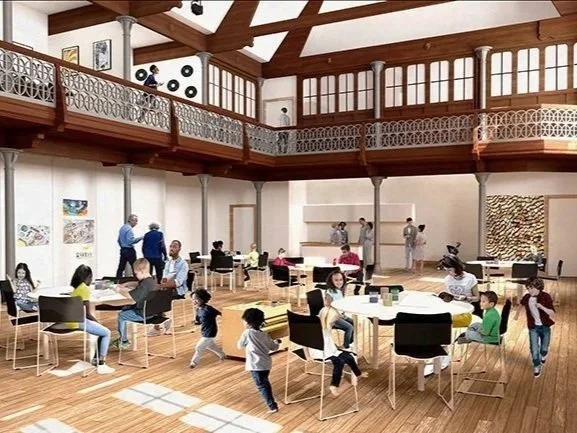
Sunday School Hall, Union Chapel
Credit: Natalia Zwardon
Whilst two schemes are transforming community life in central London:
The Sunday School Stories project at Union Chapel in Islington, London: One of our most exciting projects is the recently completed Sunday School Stories project at Union Chapel in Islington.
A £2million renovation and community heritage initiative focused on restoring the Grade II* listed Victorian Sunday School building – a rare Akron-style hall – so it can function as a versatile, accessible space for the community, visitors and arts events.
We provided civil and structural engineering services for vital interior and exterior repairs, new accessible circulation, underfloor heating, improved services, and modern tech installations to support multi-functional use.
The project also celebrates and shares the chapel’s rich 200-year archive and social justice legacy by engaging local people through heritage activities, workshops and cultural programmes.
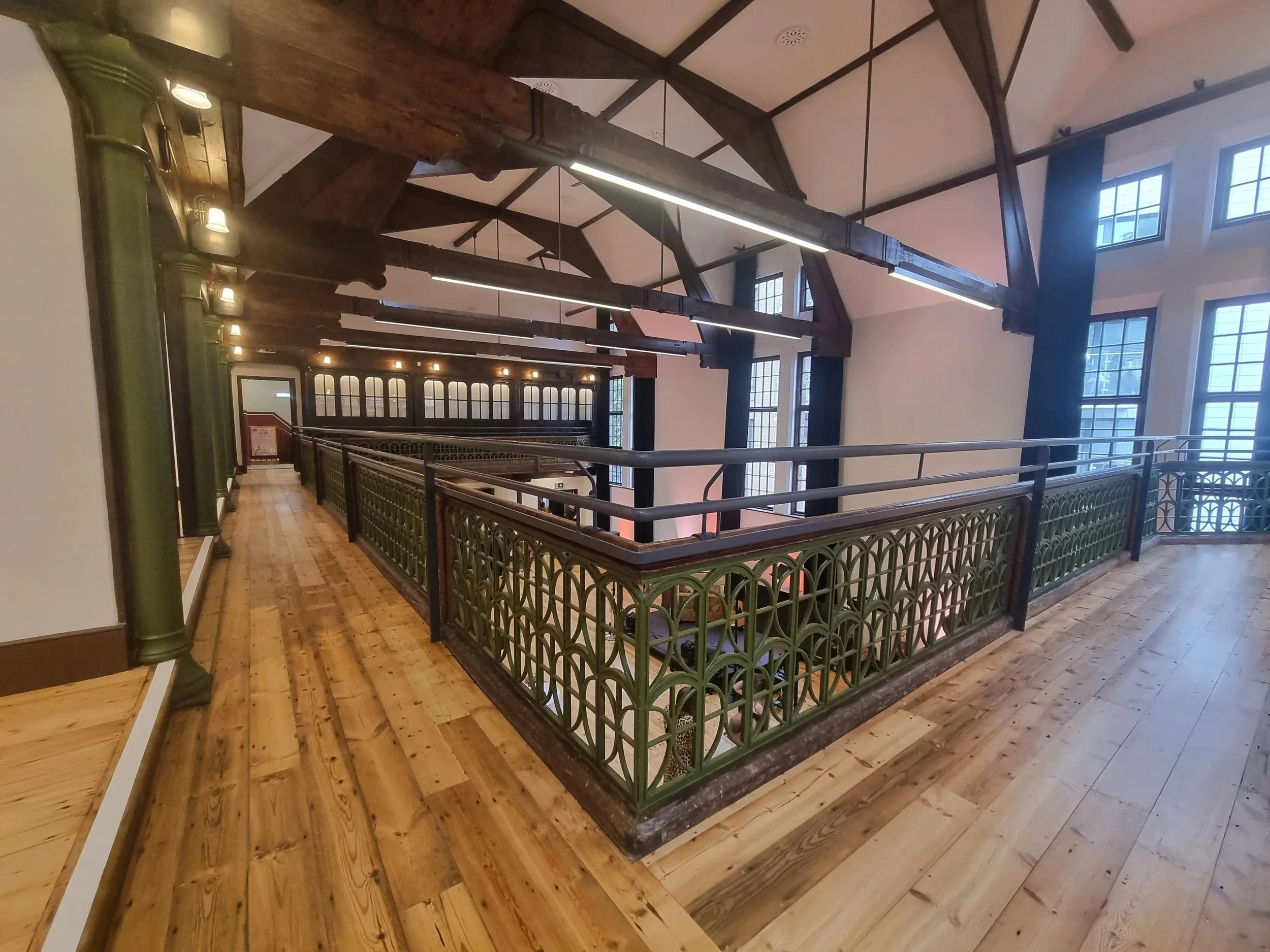
Completed Sunday School Hall renovation.
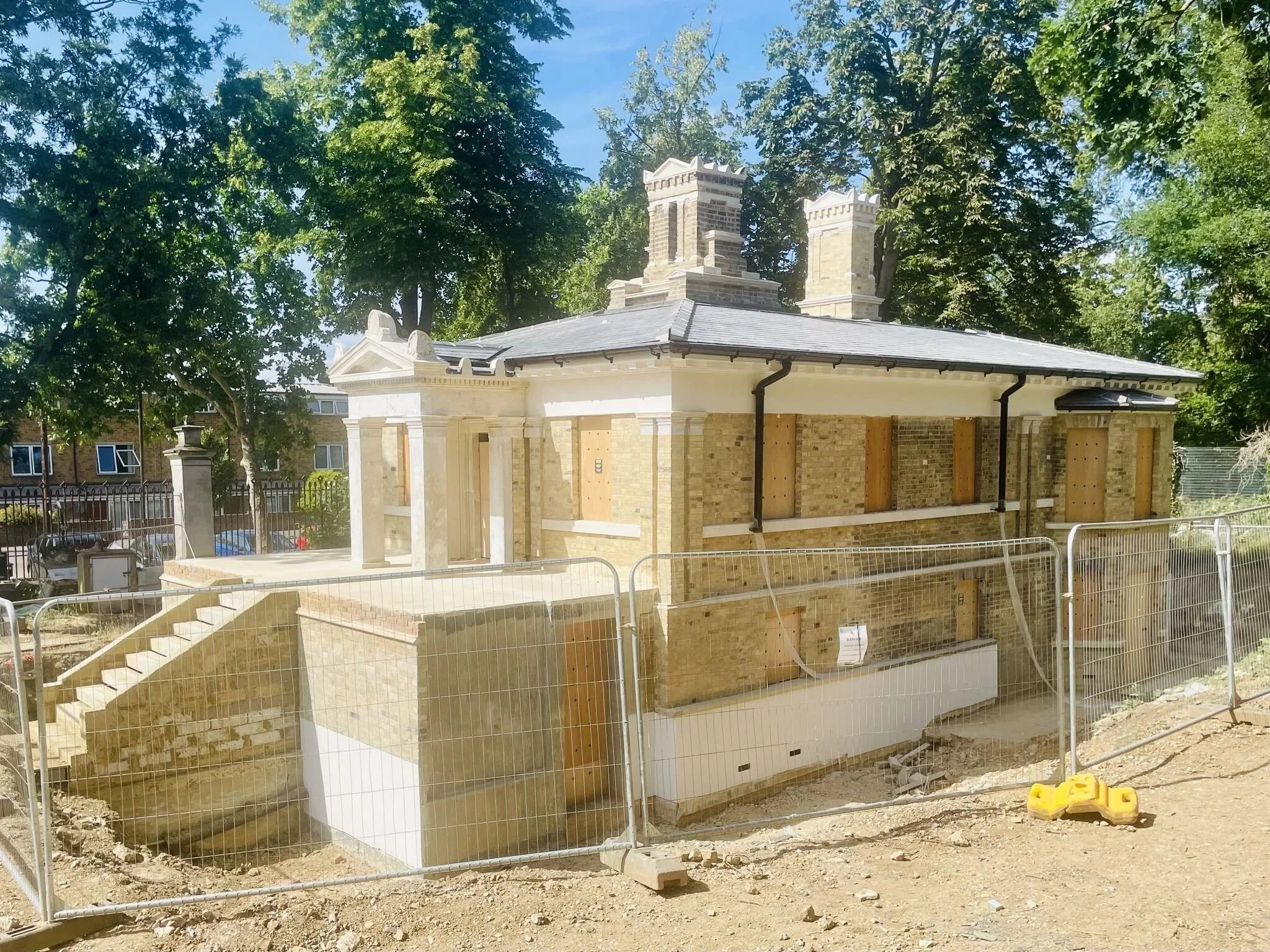
Restoration of East Lodge, Nunhead Cemetery in progress.
Image credit: Paye Stonework & Restoration
East Lodge, Nunhead Cemetery, London: Another landmark scheme currently on site is the £2.6 million restoration of East Lodge, a Grade II Listed building within Nunhead Cemetery in South London.
The restoration of the derelict Grade II Listed East Lodge at Nunhead Cemetery, which sits on Historic England’s Heritage at Risk register.
Being delivered for Southwark Council, the £2.6million project involves using reclaimed and like-for-like materials to conserve the structure and reduce embodied carbon.
We are providing structural and heritage engineering input to transform the lodge into community spaces for local use and a proposed public café to support long-term economic sustainability and local employment, building on earlier stabilisation works.
The project aims to revitalise the historic gateway building and create a hub for community engagement within the iconic Victorian cemetery setting.
Looking ahead: building a sustainable future from our historic past
The UK's historic building stock represents one of our most valuable resources in the fight against climate change.
Thoughtful retrofit and sensitive adaptation allow these buildings to continue serving communities while significantly reducing the environmental impact associated with demolition and new construction. By retaining existing structures, preserving embodied carbon, and improving operational efficiency, heritage projects contribute directly to wider sustainability and net zero objectives.
With specialist expertise, collaborative working, and continued support from organisations such as the National Lottery Heritage Fund, historic buildings can remain vibrant, relevant, and economically sustainable for generations to come.
Ultimately, our built heritage is not simply a record of the past - it’s one of the most sustainable foundations upon which we can build the future.
For more information on our CARE-accredited heritage expertise, contact Claudio by email: claudio.corallo@clancy.co.uk.