
Achieve Gateway 2 approval with confidence: lessons from Bowlers Yard in Manchester
Article posted on: 20 March 2026
Our earlier blog, Navigating the Building Safety Act: the challenges of Gateway 2, discussed the initial challenges facing the built environment industry: from the scale of documentation required to the evolving expectations of the BSR.
As we collectively gain experience of the process, we can dissect projects that demonstrate how Gateway 2 has been successfully achieved.
At Clancy, we are helping our clients to secure Gateway 2 approval on several schemes. A recent example of an approved scheme is Bowlers Yard, a new-build, high-rise residential building in the heart of Manchester.
Let’s take a look at this project in more detail to uncover how to achieve Gateway 2 approval on tall buildings with confidence and get spades in the ground.
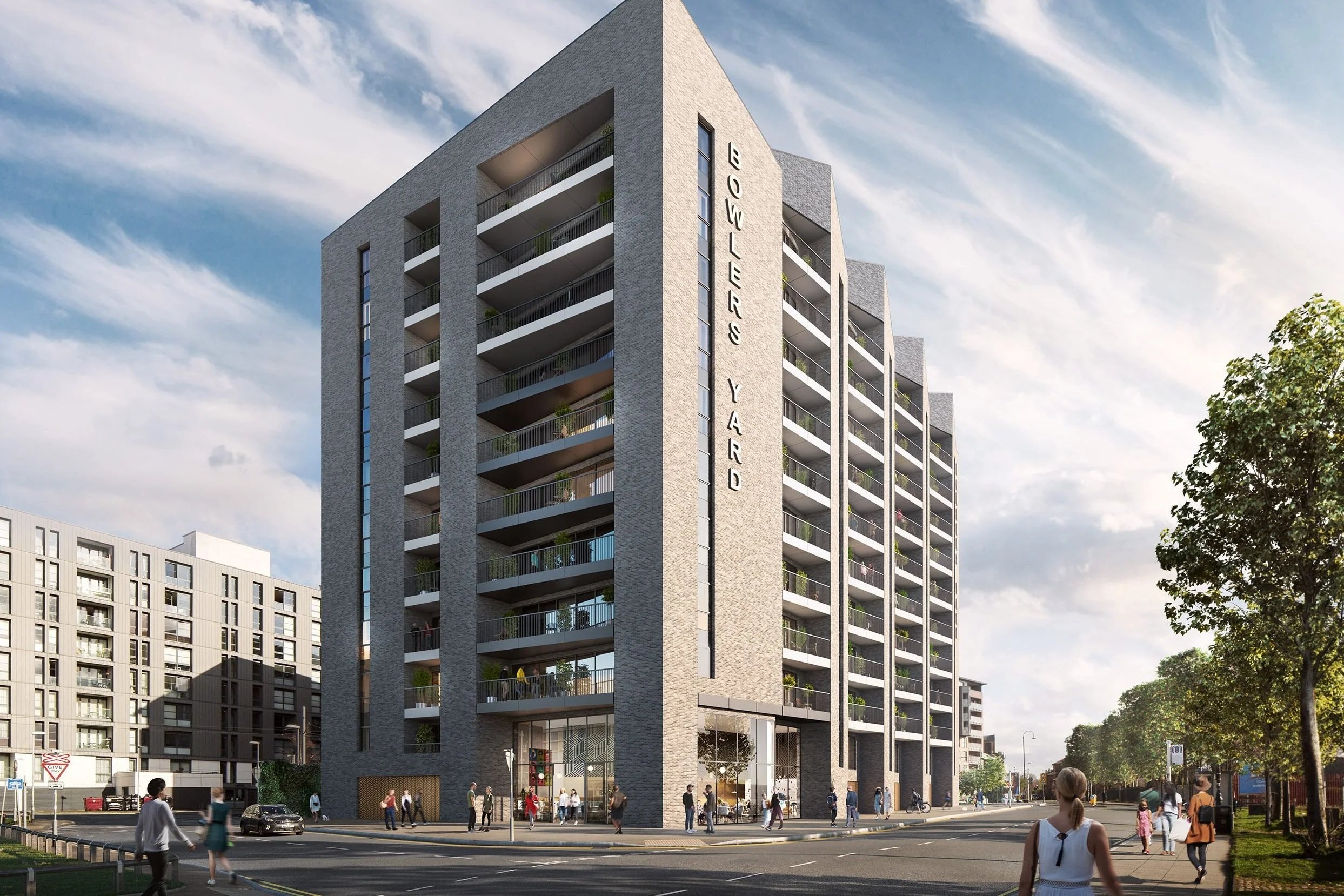
Bowlers Yard, New Islington, Manchester
Image credit: JDA Architects
Transforming a complex urban site
Bowlers Yard is a 10-storey residential development for Regin Group in New Islington, Manchester, situated on a narrow, triangular site adjacent to a Manchester Metrolink line.
Designed by JDA Architects, our civil and structural team worked alongside a collaborative project team comprising City Developments Project Management (CDPM), Ridge and Partners (MEP engineers) and several specialist sub-contractors.
As a constrained site immediately adjacent to the Metrolink, the development presented several engineering challenges. Working together, we ensured the designs for the scheme addressed these challenges head on and would be workable for the project to move through Gateway 2 to delivery.
“The structural solution we proposed utilises a steel frame with reinforced concrete and metal deck composite slabs, supported on a raft foundation. This approach mitigated vibration risks to and from the nearby tram line while providing an efficient, economical foundation strategy.
“Careful consideration was also given to the building’s layout. Transfer beams at first floor level allow the residential column grid above to align with the car parking arrangement below – a solution required for the tight geometry of the site and surrounding road infrastructure.”
Navigating the Gateway 2 process
Like many projects currently moving through planning, the vision for Bowlers Yard was conceived before the Building Safety Act came into play.
Planning was originally granted in 2020, but the scheme was subject to several delays. That meant the design process spanned both the previous regulatory environment and the new Gateway regime.
Our teams worked collaboratively throughout the project, with early design and initial BSR engagement led by our Liverpool office. As the scheme progressed, our Manchester team took forward the Gateway 2 submission, coordinating the detailed technical responses.
In short, the Gateway 2 submission required a comprehensive package of technical information, including:
Structural general arrangement drawings including detailed sections, elevations and reinforcement concrete detail drawings
Technical material and workmanship specifications
Structural design philosophy and co-ordinated calculation package including outputs from our detailed structural analysis models
Compilation of supporting information from specialist subcontractors, including geotechnical settlement assessments and masonry support systems.
The process involved several rounds of BSR queries to traverse the Gateway 2 application. Examples included structural robustness, protection of columns from vehicle impact in the car park and vibration considerations due to the adjacent Metrolink line.
Addressing these queries needed additional detail and clarification from the entire design team, demonstrating how tackling a Gateway 2 application has become more iterative and collaborative between project teams and the regulator.
Together, our design solutions illustrated how structural engineering must respond to physical site constraints and the increasing level of technical scrutiny involved in Gateway submissions.
Collaboration and coordination
Gateway 2 is not just about engineering design; it also places greater emphasis on information management and coordination across the consultant team.
It’s vital to manage the submission process, collating documentation and coordinating uploads to the regulator’s portal. On Bowlers Yard, much of this coordination was led by the architect, with input from the wider project team.
Regular meetings and ongoing communication between project partners ensured that the required information was produced, reviewed and submitted efficiently. Digital coordination tools and BIM workflows also supported the process, helping maintain consistency across the design information.
Lessons for future projects
Projects such as Bowlers Yard provide us with a clearer understanding of Gateway 2 and how to tackle the process effectively.
A key lesson that each Gateway 2 submission will differ slightly, meaning teams must be flexible and ready to respond to shifting technical queries.
That said, there are signs that the process is becoming more efficient. Broad industry concerns about approval delays, especially those linked to a backlog of complex applications, are beginning to ease as both the BSR and project teams gain hands-on experience.
Our team recognises as the industry adapts, submissions are becoming better structured and more aligned with BSR expectations, improving the approval process overall.
Supporting clients in the new regulatory environment
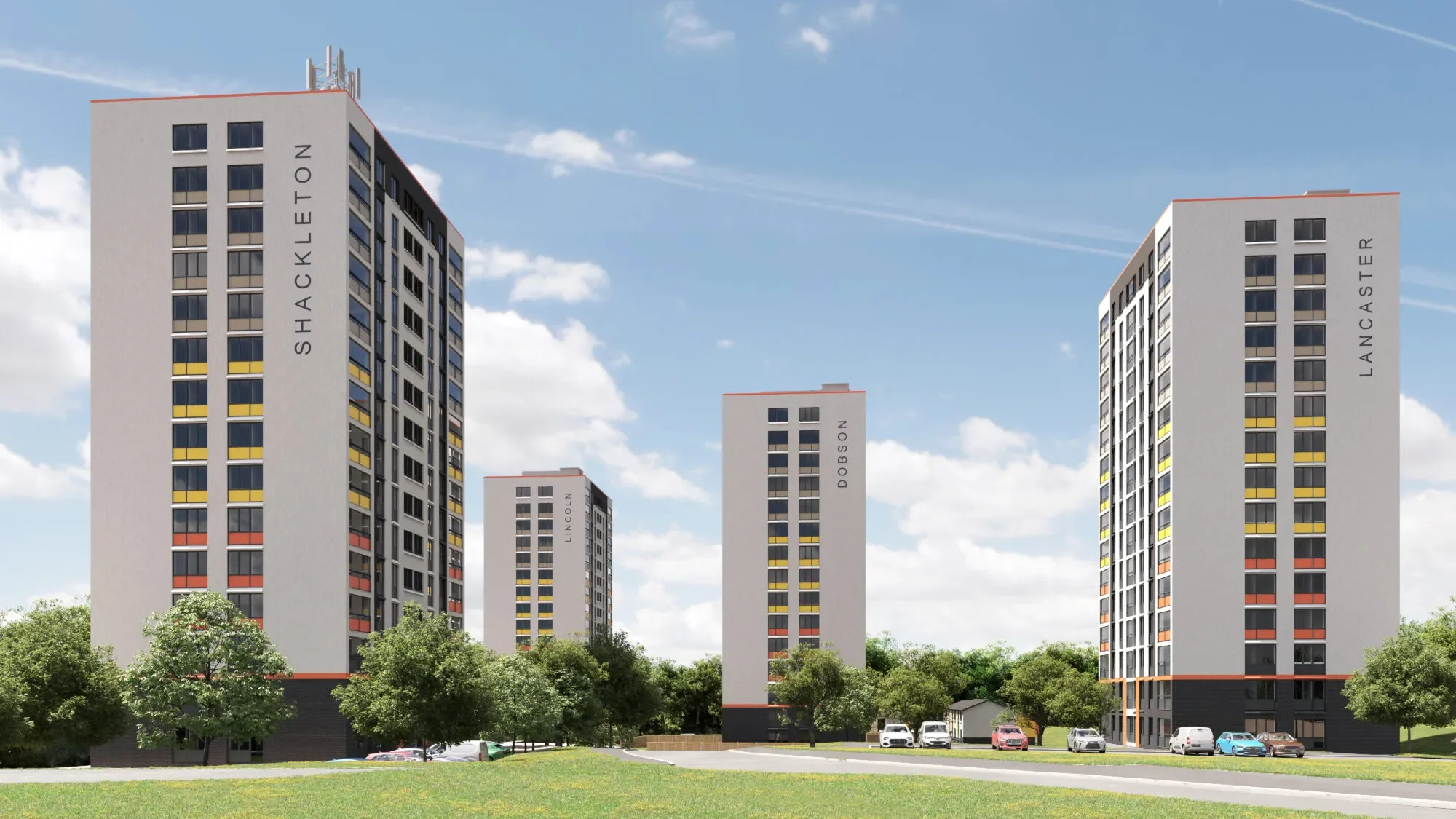
Avro Hollows, Newton Heath, Manchester
The successful Gateway 2 approval for Bowlers Yard demonstrates how early collaboration, robust technical documentation and clear coordination across the project team can help schemes progress confidently under the new regulatory landscape.
At Clancy Consulting, we help developers to steer the complexities of Gateway 2 in numerous ways, including:
Early-stage design compliance: We engage with our partners at the project outset to ensure that designs and the level of detail meet the regulatory requirements, reducing the risk of rejections and delays.
Comprehensive documentation: Our team prepares the detailed, coherent narratives to demonstrate compliance that the BSR expects, minimising the likelihood of invalid applications.
Strategic project planning: We assist in developing realistic project timelines that account for potential regulatory delays, helping to manage your stakeholders’ expectations and aid proper financial planning.
For assistance navigating Gateway 2, please contact Daniel Singh on daniel.singh@clancy.co.uk.